

Servicio de Valoración de Negocios
¿Cuál es el valor de tu negocio?
Cada propietario de un negocio eventualmente se enfrenta a esta pregunta—ya sea que esté considerando vender, planificando su jubilación, explorando cambios de asociación, o simplemente quiera entender dónde se encuentra. El desafío es que determinar el valor de un negocio no es tan sencillo como verificar el precio de una acción o buscar ventas comparables. Su empresa es única, y su valor depende de factores que las fórmulas genéricas no pueden capturar completamente.
Nuestro calculador de valoración de negocios proporciona una estimación preliminar basada en la información que usted proporciona. Es un punto de partida—una manera de obtener una idea inicial del rango antes de profundizar más. Para decisiones que involucran dinero significativo o cambios importantes en la vida, querrá una valoración profesional de negocios que tenga en cuenta las sutilezas que hacen que su empresa sea diferente de cualquier otro negocio en su industria.
Free Company Valuation Calculator
Get a preliminary company valuation estimate in minutes
If your preliminary estimate raises questions about value, readiness, or timing, you can Programa tu consulta confidencial with Midwest Business Brokers before sharing detailed records.
What Your Business Valuation Estimate Requires
Generating a reliable preliminary valuation estimate starts with gathering consistent historical performance data. To build a solid baseline, business owners should compile current financial and operating records, such as federal tax returns, detailed profit and loss statements, and balance sheets, which an advisor may request to analyze performance trends.
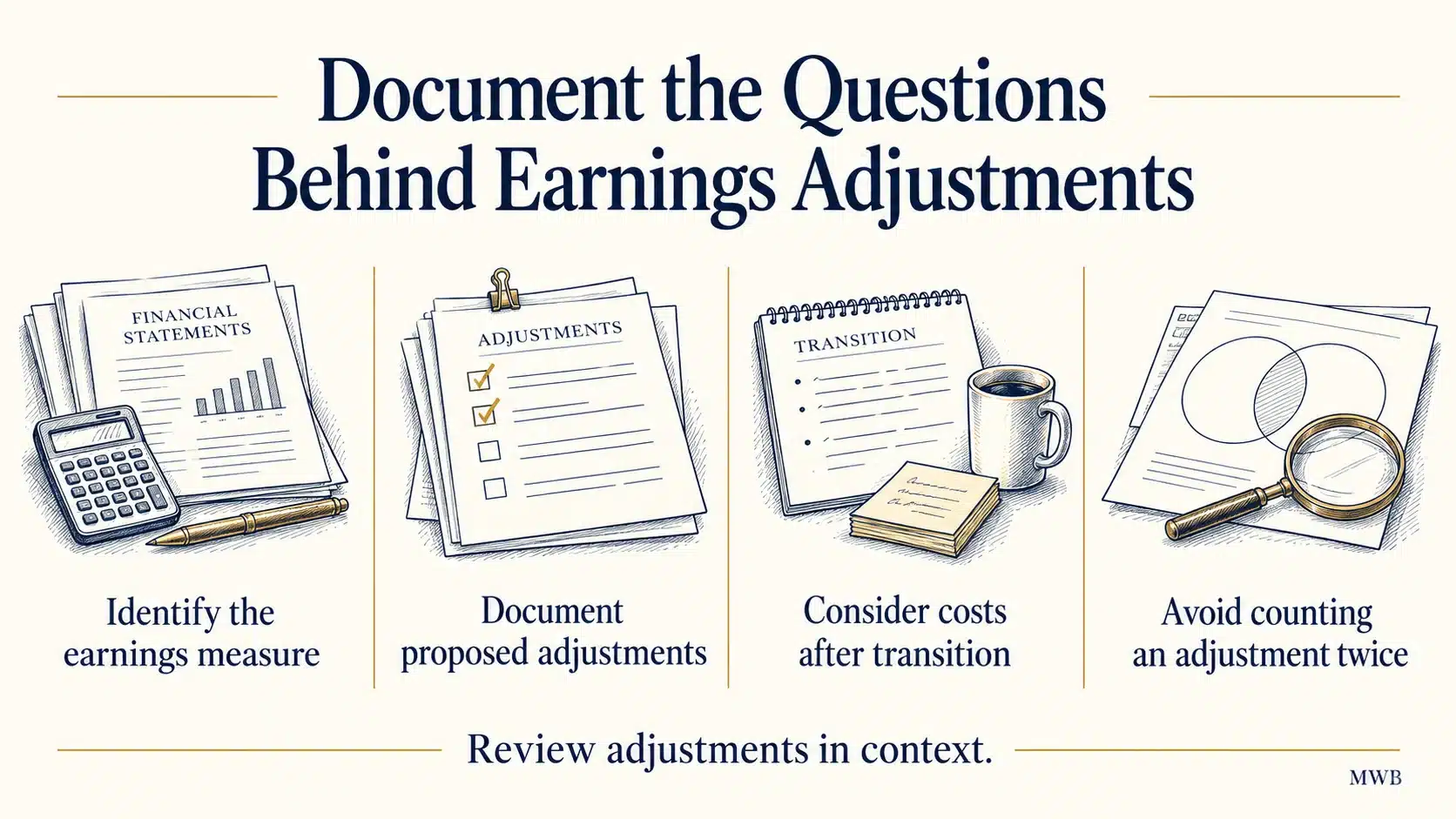
From there, these raw figures must be normalized by identifying owner salary, personal expenditures run through the business, and non-recurring expenses. Understanding how Seller Discretionary Earnings are determined is essential, as this SDE calculation forms the operational cash flow foundation that buyers use to value small and mid-sized companies.
Company Valuation Calculator: How to Use a Preliminary Estimate
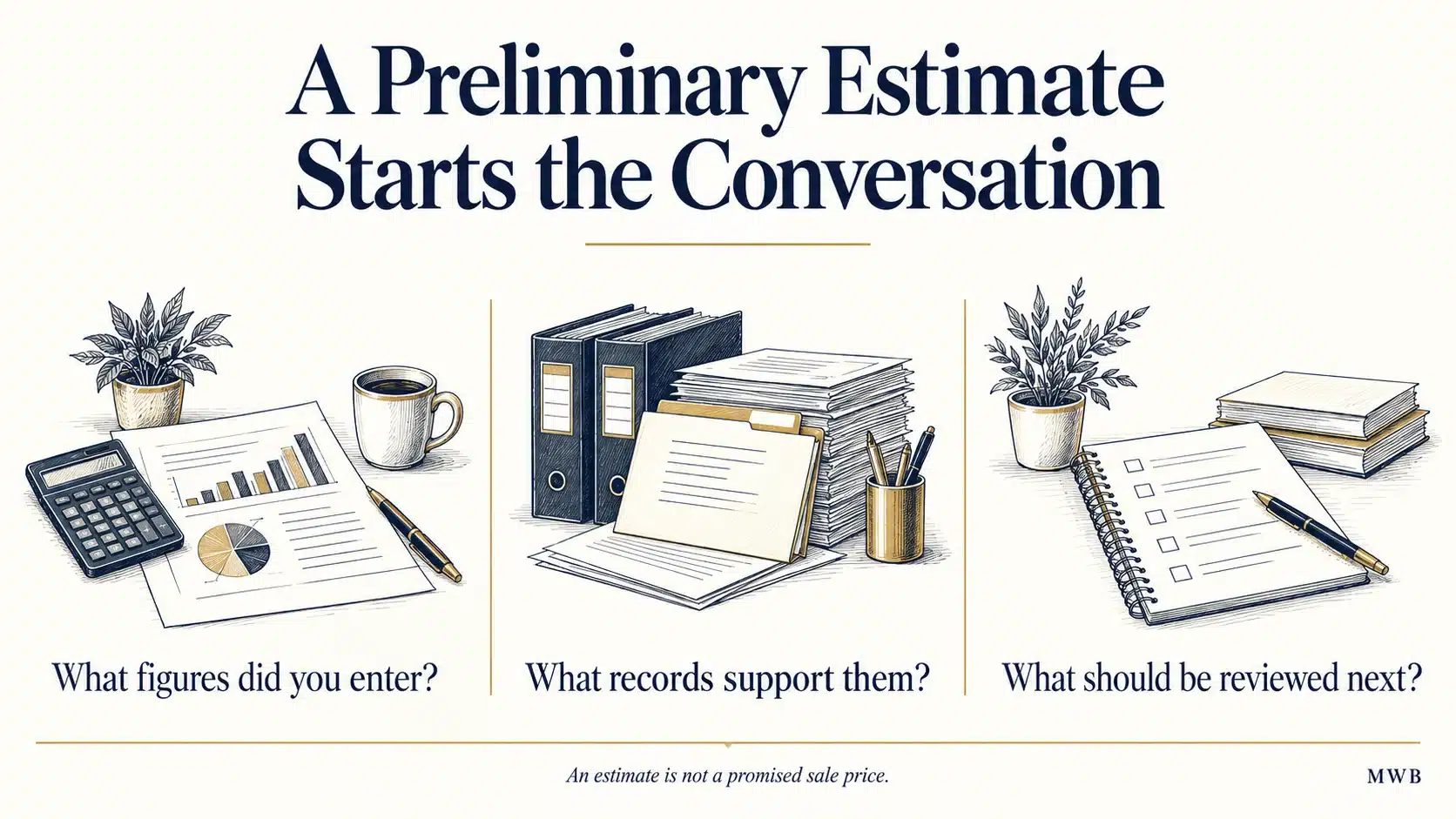
A company valuation calculator is a useful first screen when an owner wants to move beyond a rule-of-thumb answer. The estimate should start a focused conversation about the earnings a buyer may underwrite, the records that support those earnings, and the risks that can change a transaction. It is not a promised selling price, a tax valuation, or a substitute for a purpose-specific independent appraisal.
Use the calculator above to form a preliminary range from the information you enter. Then compare that starting point with the business realities that affect a buyer's decision: whether earnings can be documented, whether key customers and suppliers are transferable, how much depends on the current owner, what working capital or equipment a successor will need, and how the transaction would be structured.
What a Sale-Ready Company Valuation Review Examines
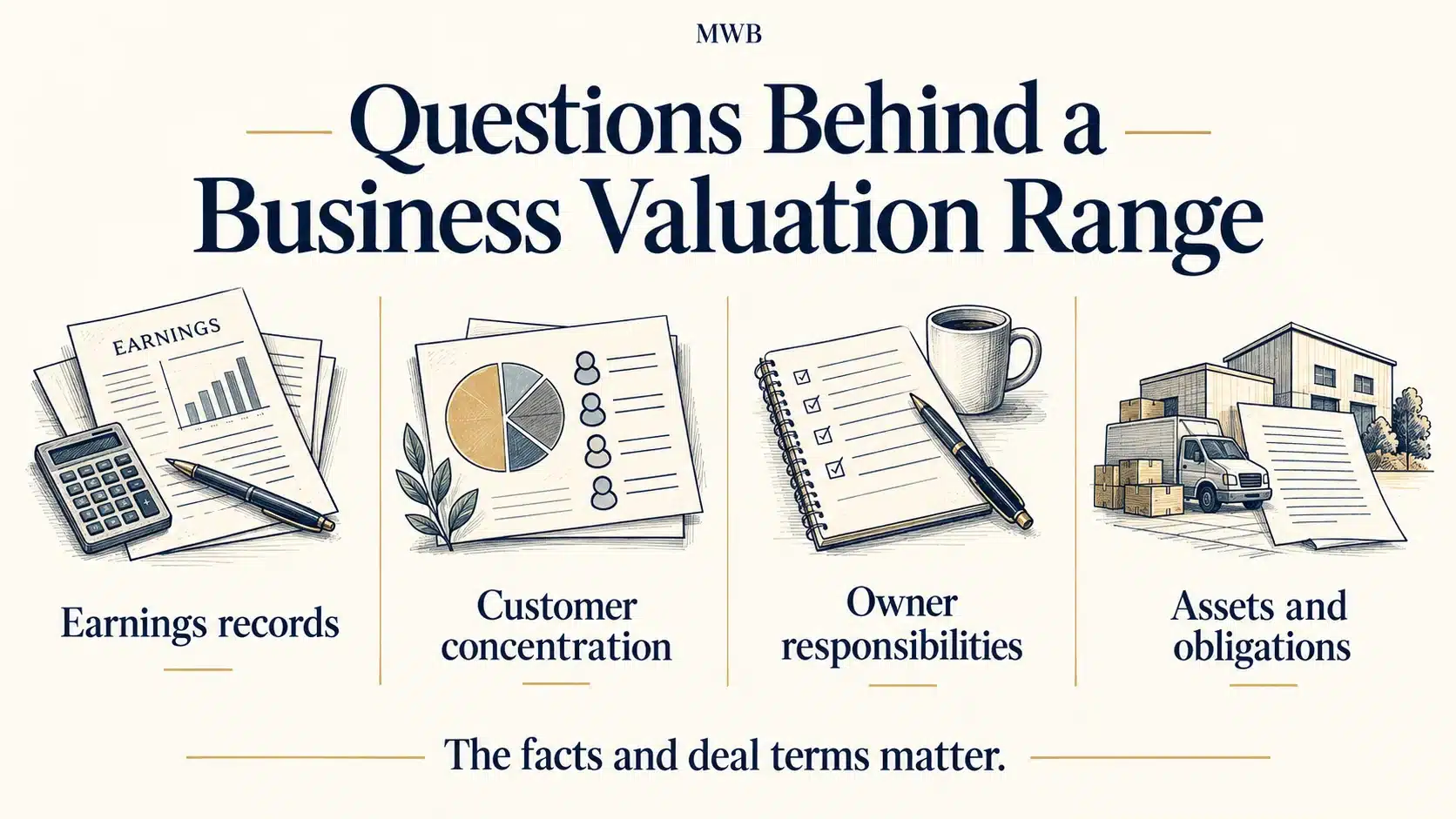
- Normalized earnings: A buyer needs to distinguish ongoing operating earnings from current-owner choices and genuinely non-recurring items. Our guide to Ganancias Discrecionales del Vendedor explains the questions behind that review.
- Buyer model and management depth: The appropriate earnings measure depends on the people and costs required to operate the company after a transition.
- Market and operating risk: Customer concentration, contract terms, supplier dependence, recurring revenue, capital needs, and record quality can change the discussion even when two companies report similar sales.
- Assets, liabilities, and deal terms: Inventory, equipment, working capital, debt, and the terms of a proposed transaction affect what an owner actually needs to evaluate.
How to Prepare Before You Rely on an Estimate
Collect the financial and operating records that explain the business rather than relying only on a recent revenue total. That normally includes historical tax returns, profit and loss statements, balance sheets, current year-to-date performance, an explanation of owner compensation and unusual expenses, and material customer, supplier, lease, or equipment information. The goal is not to force every company into one formula; it is to establish a record that can withstand follow-up questions.
Owners who are considering a sale can also review how to value a business for sale before deciding whether a more detailed review is warranted. For questions about scope and pricing, see business valuation cost in Indiana. Midwest Business Brokers focuses on confidential seller-side transactions with a minimum deal size of $1 million; a preliminary calculator estimate does not determine whether an engagement is appropriate.
Company Valuation Record Checklist
Before a confidential review, assemble the records that allow an advisor or buyer to understand the company without filling gaps with assumptions. Start with the most recent historical financial statements and tax returns, then add current performance, a concise explanation of material adjustments, and the records that explain how customers, staff, suppliers, facilities, equipment, and working capital affect the business. A well-organized record set does not guarantee a transaction outcome, but it gives an owner a stronger basis for evaluating the questions behind a preliminary estimate.
Company Valuation Calculator Frequently Asked Questions
How do I calculate my business valuation?
Start by defining why you need the valuation and gathering consistent financial and operating records. A preliminary calculation normally considers normalized earnings such as Seller Discretionary Earnings or another appropriate earnings measure, then tests those earnings against customer concentration, recurring revenue, owner dependence, management depth, assets, debt, working capital, contracts, market conditions and the intended transaction structure. An online calculator can provide a starting range, but it cannot determine a final sale price or replace a purpose-specific appraisal. If you are considering a sale, use the estimate to identify the records and questions for a confidential seller-side conversation, even if your value or timing is not yet certain.
Can a company valuation calculator determine my final selling price?
No. A calculator can provide a preliminary range from the information entered, but a final transaction discussion depends on verified earnings, buyer requirements, risk, assets and liabilities, working capital, and deal structure.
What is the difference between company valuation and a formal independent appraisal?
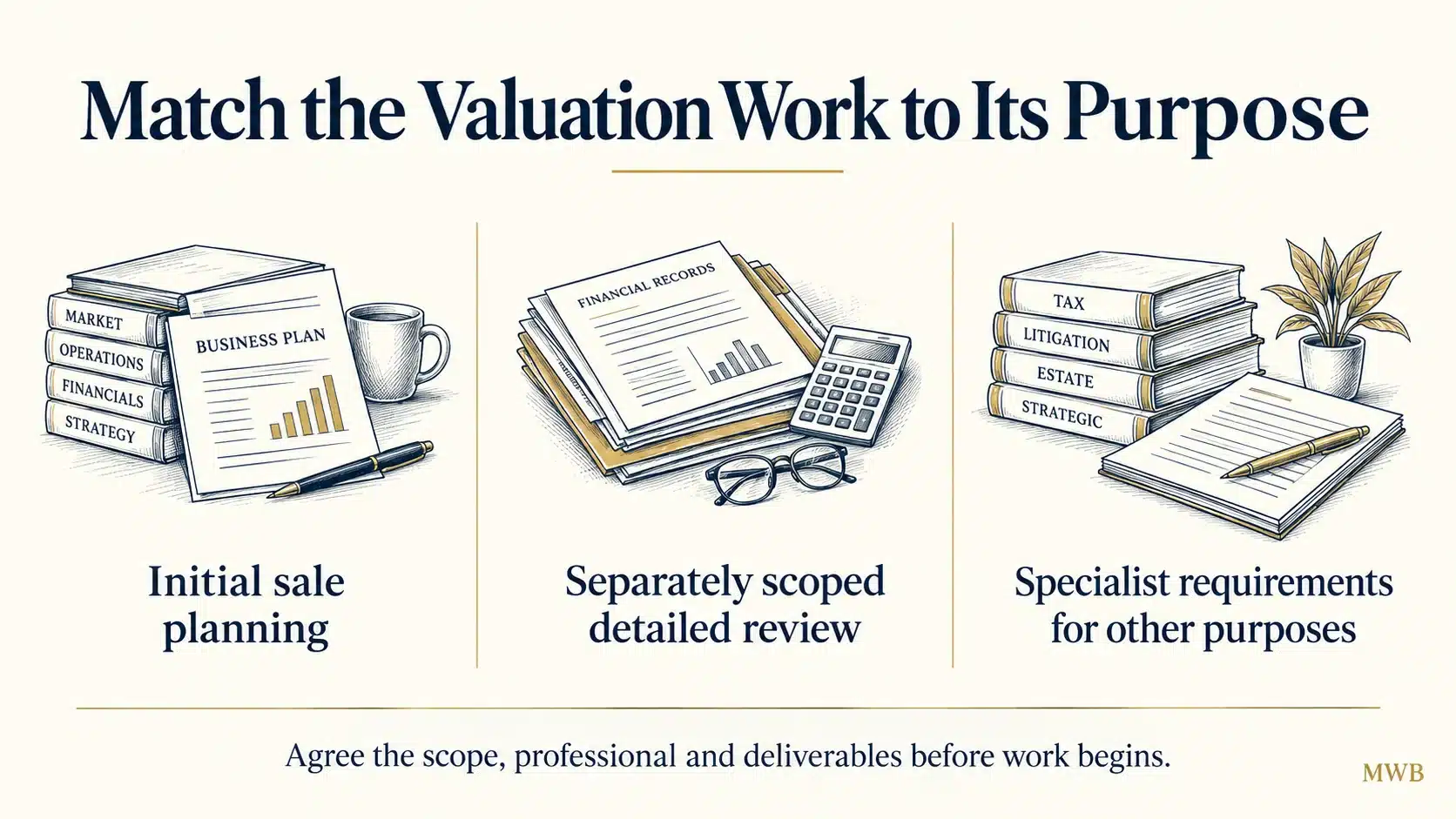
A sale-planning valuation discussion helps an owner understand a potential market range and the issues buyers may examine. Tax, estate, litigation, shareholder, financing, or other formal uses can require a valuation prepared for that specific purpose by an appropriately qualified professional.
Why can companies with similar revenue have different values?
Revenue does not show the costs, earnings quality, customer relationships, management depth, capital needs, or risks required to keep the company operating after a transition. Those details can materially change a buyer's view of value.
What should I do after receiving a preliminary estimate?
Use it to organize the financial and operating records behind the business, identify questions that need support, and decide whether a confidential seller-side conversation is the next appropriate step.
Key Drivers That Change Business Value
Two companies in the same industry with identical annual revenues can sell for vastly different prices. Buyers look beyond top-line revenue to assess risk and transferability. Value is heavily influenced by customer concentration (relying on a few key clients increases risk), recurring revenue structures, and owner dependence. A business that requires the owner's constant daily oversight will face downward pressure on valuation multiples.
To assess how buyers will evaluate your business, advisors apply industry-specific valuation multiples to normalized earnings. Understanding these drivers allows you to systematically strengthen your operations, document workflows, and reduce dependencies before initiating a sale. If you are planning an exit in the next few years, you can read our comprehensive guide on determining what your company is worth in Indiana to map your pre-sale improvement strategy.
Por qué la Valoración de Negocios es Importante
Entender cuánto vale su empresa no es solo un ejercicio académico. El número afecta decisiones reales con consecuencias reales.
If you are considering selling, a preliminary valuation is one input to planning, not a retirement decision by itself. Ask how a potential price relates to debt, transaction costs, taxes, payment terms and your personal needs. Discuss those questions with the appropriate financial, tax and legal professionals before relying on expected proceeds.
Más allá de la venta, los propietarios de negocios buscan valoraciones para la compra de socios, procedimientos de divorcio, planificación patrimonial, incorporación de inversores, obtención de financiamiento y planificación estratégica. Cada situación requiere entender no solo por cuánto podría venderse tu negocio hoy, sino qué impulsa ese valor y cómo podría cambiar bajo diferentes circunstancias.
Las apuestas son demasiado altas para dejarlo al azar. Sin embargo, muchos propietarios de negocios operan durante años—a veces décadas—sin obtener nunca una evaluación profesional de lo que han construido.
Cómo Determinamos el Valor de un Negocio
Valorar una empresa requiere analizar múltiples factores y, a menudo, aplicar varias metodologías para llegar a una conclusión defendible. Los enfoques que utilizamos dependen de tu tipo de negocio, tamaño, industria y el propósito de la valoración.
Enfoques Basados en Ingresos
La mayoría de las pequeñas y medianas empresas se venden en función de su capacidad de generación de ingresos. La pregunta fundamental que se hacen los compradores es: "¿Qué retorno obtendré de mi inversión?" Los métodos de valoración basados en ingresos responden a esto analizando el flujo de caja de su negocio y aplicando múltiplos apropiados.
Para las empresas más pequeñas, normalmente nos enfocamos en las Ganancias Discrecionales del Vendedor (SDE)—esencialmente, el beneficio financiero total que el negocio proporciona a un propietario activo. Esto incluye el beneficio neto más el salario del propietario, beneficios y varios ajustes por gastos que no continuarían bajo una nueva propiedad.
Para las empresas más grandes o aquellas con gestión profesional, el EBITDA (Ganancias Antes de Intereses, Impuestos, Depreciación y Amortización) a menudo sirve como la medida de ganancias. La valoración empresarial basada en EBITDA elimina los efectos de las decisiones de financiamiento y las prácticas contables para centrarse en el rendimiento operativo.
El múltiplo aplicado a estas ganancias varía significativamente según la industria, el tamaño, la trayectoria de crecimiento y los factores de riesgo. Una empresa que genera 300,000 en ganancias anuales podría valer 750,000 en una industria y 1.2 millones en otra, dependiendo de estas variables.
Enfoques Basados en el Mercado
Así como los tasadores de bienes raíces observan ventas comparables, los tasadores de negocios examinan transacciones que involucran empresas similares. Este enfoque de mercado proporciona verificaciones de realidad sobre las conclusiones basadas en ingresos y ayuda a garantizar que las valoraciones reflejen lo que los compradores realmente pagan en el entorno actual.
When comparable transactions are used, ask which sources are available, how recent the records are, and how differences in size, location and deal structure are addressed. A reference multiple alone does not establish what your business will sell for.
Enfoques Basados en Activos
Some businesses—particularly those with significant equipment, inventory, or real estate—warrant analysis of underlying asset values. An asset-based review considers the assets and liabilities relevant to its purpose. It is not a guaranteed minimum sale price: realizable proceeds depend on the assets, obligations, costs and circumstances of the transaction.
¿Qué Afecta el Valor de Su Negocio?
Dos negocios con ingresos idénticos pueden tener valoraciones dramáticamente diferentes. Comprender los factores que impulsan el valor le ayuda a tomar mejores decisiones—ya sea que esté preparando la venta o simplemente quiera construir una empresa más valiosa con el tiempo.
Desempeño Financiero
La rentabilidad consistente y creciente exige valoraciones premium. Los compradores pagan más por empresas con historiales documentados, estados financieros limpios y tendencias positivas. Las empresas con ganancias volátiles, ingresos en declive o finanzas desordenadas enfrentan descuentos—en ocasiones severos.
La calidad de sus ganancias importa tanto como la cantidad. Los ingresos recurrentes de contratos a largo plazo o clientes habituales valen más que los ingresos equivalentes de transacciones únicas. Las bases de clientes diversificadas valen más que las empresas dependientes de unas pocas cuentas grandes.
Dependencia del Propietario
¿Cuánto depende el negocio de usted personalmente? Si los clientes compran debido a sus relaciones, los empleados rinden gracias a su supervisión y las operaciones funcionan por su participación diaria, los compradores ven riesgo. No solo están comprando un negocio—están comprando un trabajo, y les preocupa qué pasará cuando usted se vaya.
Las empresas que pueden operar con éxito sin la constante participación del propietario obtienen múltiplos más altos. Los sistemas documentados, los equipos de gestión capaces y las relaciones con los clientes transferibles reducen el riesgo y aumentan el valor.
Industria y Posición en el Mercado
Algunas industrias simplemente tienen valoraciones más altas que otras. Los negocios en sectores en crecimiento con tendencias favorables a largo plazo atraen más interés de los compradores y ofertas competitivas. Los negocios en industrias en declive o aquellos que enfrentan disrupciones tecnológicas enfrentan vientos en contra independientemente del rendimiento actual.
Dentro de tu industria, la posición en el mercado importa. Los negocios con marcas fuertes, ventajas competitivas, barreras de entrada o posiciones locales dominantes valen más que los competidores de productos básicos.
Potencial de Crecimiento
Los compradores no solo adquieren el flujo de efectivo actual, sino que compran el potencial futuro. Las empresas con oportunidades de crecimiento claras, mercados inexplorados o modelos escalables obtienen valoraciones premium. Las empresas maduras con un potencial limitado pueden valorarse de manera más conservadora, incluso con un rendimiento actual fuerte.
Por qué la Valoración Profesional es Importante
Online calculators and rule-of-thumb multiples provide rough estimates, but they miss the nuances that determine actual value. A free business valuation calculator applies assumptions to the figures you enter; its reference multiples are not verified comparable sales for your particular company. It can't tell you whether your business should be at the high end, low end, or somewhere outside that range entirely.
La valoración profesional de negocios va más allá. Examina tus estados financieros específicos, ajusta los elementos no recurrentes y los gastos relacionados con el propietario, analiza la concentración de tus clientes y la posición competitiva, evalúa a tu equipo de gestión y sistemas operativos, y compara tu negocio con transacciones completadas reales. El resultado es una conclusión de valor defendible basada en tus circunstancias únicas—no promedios genéricos.
Para transacciones que involucran dinero significativo, las valoraciones profesionales también proporcionan credibilidad. Los compradores, prestamistas, abogados y autoridades fiscales otorgan más peso a las valoraciones preparadas por profesionales calificados que a las estimaciones de herramientas en línea o cálculos improvisados.
Nuestro Enfoque para la Valoración de Negocios
Midwest Business Brokers serves owners from Fort Wayne and focuses on potential seller-side transactions of $1 million or more. An initial conversation can establish your goals, the information available and whether further advisory work is appropriate. If you are unsure of your value or timing, you can still ask for a conversation.
Nuestro proceso de valoración comienza con la comprensión de su situación. ¿Por qué necesita conocer el valor de su negocio? ¿Está planeando vender en el corto plazo, preparándose para una eventual transición, lidiando con problemas de asociación o recopilando información para la planificación patrimonial? El propósito da forma a nuestro enfoque y al nivel de detalle requerido.
Before any additional work begins, agree on its purpose, the records required, who will perform it, the fee and the deliverables. Discuss how sensitive records should be shared before sending detailed customer, employee or financial documents. The free calculator and initial consultation do not promise a formal appraisal or a particular sale price.
Cuando Necesita una Valoración de Negocios
Vendiendo Su Negocio
Si está considerando vender, comprender el valor de su negocio es esencial antes de salir al mercado. Necesita saber si sus expectativas son realistas, si los ingresos satisfarán sus necesidades financieras y cómo posicionar su negocio para maximizar su valor.
Una valoración profesional también le ayuda a identificar oportunidades para aumentar el valor antes de vender. A veces, esperar de 12 a 18 meses mientras se abordan problemas específicos puede agregar significativamente más valor que los costos adicionales de tiempo. Otras veces, las condiciones actuales del mercado favorecen vender más pronto que tarde.
Transiciones de Asociación
Cuando los socios se separan—ya sea por jubilación planificada, circunstancias inesperadas o decisiones estratégicas—la valoración se vuelve crítica. Los acuerdos de compra-venta a menudo hacen referencia al "valor de mercado justo" sin definir cómo se determina, lo que lleva a disputas cuando llega el momento de ejecutar.
For a partnership transition, agree on the intended use, valuation date, applicable agreement and professional qualifications before commissioning work. A valuation does not by itself resolve a disagreement or replace legal advice about the agreement.
Divorcio y Situaciones de Patrimonio
A divorce or estate matter is different from initial sale planning. Ask your attorney or tax adviser what purpose-specific valuation and professional qualifications are required. Do not rely on this calculator as a valuation for that purpose.
Planificación Estratégica
Incluso si no está planeando transacciones inmediatas, la valoración periódica proporciona una perspectiva valiosa. Comprender el valor de su negocio—y qué lo impulsa—le ayuda a tomar mejores decisiones estratégicas, identificar oportunidades de mejora y seguir el progreso hacia sus objetivos.
Costo de Valoración de Negocios
The calculator and initial consultation are free. Additional valuation or advisory work should be separately scoped, with fees and deliverables agreed before it begins. The appropriate provider and work depend on the intended use; a sale-planning discussion is not the same as a formal appraisal for another purpose.
For an owner considering a sale, an initial discussion can help separate questions about a potential market range from the work needed to prepare for a transaction. Confirm the scope of any brokerage engagement before proceeding.
Comience con una Conversación
Start with your goals, a high-level description of the business and the questions you want to resolve. You do not need a completed appraisal or a firm sale date to request a free initial consultation. Agree how sensitive records will be handled before sharing detailed documents.
Utilice la calculadora arriba para obtener una estimación preliminar inmediata, o contáctenos directamente para programar una conversación sobre sus circunstancias específicas.
Su negocio representa años de trabajo, sacrificio y logros. Entender su valor es el primer paso para maximizar el retorno de todo lo que ha invertido.
For general federal tax context, the Internal Revenue Service explains how a business sale is treated as a transfer of individual assets and how consideration may be allocated among them. This is general information, not tax advice; a CPA or attorney should confirm the treatment for a specific transaction.
When an Independent Valuation May Be Appropriate
While an online calculator or a broker opinion can help with initial exit planning, certain situations may benefit from or call for a formal, independent valuation. Particular tax, estate, partner, legal, or financing situations may warrant an independent valuation prepared for that specific purpose. Business owners should confirm any requirement with their lender and qualified legal, tax, or valuation professional.
For federal tax purposes, IRS Revenue Ruling 59-60 provides a framework of factors often considered when valuing closely held businesses. In SBA 7(a) ownership-change financing, the lender's current documentation distinguishes between internal and independent valuation paths based on transaction circumstances, including calculated business value and a close buyer-seller relationship. For details on appraisal costs and service structures, see our breakdown of the fees associated with valuation services.
Your Next Confidential Conversation
Every business owner's journey eventually leads to an exit. Understanding your starting point allows you to make informed strategic decisions. When you are ready to explore your options, a private discussion with Midwest Business Brokers provides clear, professional perspective on what your business can achieve in the market.
Midwest Business Brokers specializes in confidential transactions for companies with a minimum deal size of $1 million, focusing primarily on businesses valued between $2 million and $7 million. To ensure our goals are fully aligned with your success, our commissions are structured using the Double Lehman scale rather than a flat fee: 10% on the first $1 million, 8% on the second $1 million, 6% on the third $1 million, 4% on the fourth $1 million, and 2% on amounts exceeding $4 million.
If you are considering a sale, even if you are unsure of your value or timing, you can schedule a confidential consultation with our brokerage team to discuss your preliminary estimate and begin planning your exit.
 English
  Español de México
  简体中文
简体中文